


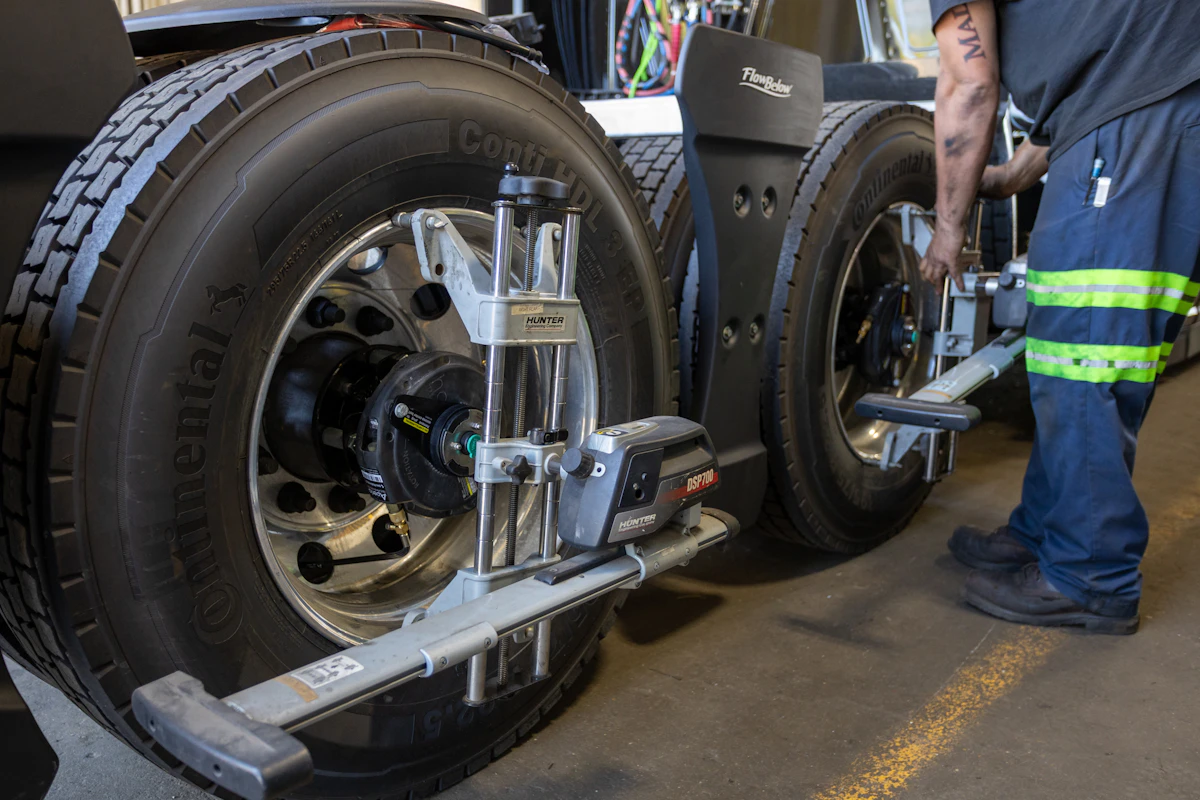
Your truck's tires do much more than keep you rolling down the road. They support thousands of pounds of weight, maintain traction in changing road conditions, and help you steer, brake, and handle safely. Ignoring early truck tire warning signs can quickly turn a minor issue into an expensive roadside breakdown—or worse, a serious accident.
Whether you operate a single work truck or manage an entire fleet in Pattersonville, NY, recognizing tire problems early can save you money, improve fuel efficiency, and keep your truck operating safely. Here's what every truck owner and driver should watch for.
Why Healthy Truck Tires Matter
Your tires are the only part of your truck that makes direct contact with the road. Every mile you drive puts stress on the rubber, sidewalls, belts, and tread. Heavy-duty trucks experience even greater strain due to heavy payloads, long-distance hauling, and changing weather conditions.
When one tire begins to fail, it places additional stress on the rest of the vehicle. Suspension components, steering systems, wheel bearings, and brakes can all experience increased wear when tires aren't in good condition. Preventive maintenance, including regular tire inspections, helps reduce costly repairs and unexpected downtime.
Uneven Tire Tread Wear
One of the easiest warning signs to spot is uneven tread wear.
Your tires should wear evenly across the entire surface. If one side wears faster than the other or the center wears excessively, something is wrong.
Common causes include:
- Poor wheel alignment
- Incorrect tire pressure
- Suspension wear
- Damaged steering components
- Unbalanced tires
Ignoring uneven wear shortens tire life and negatively affects handling, especially when hauling heavy loads.
Regular tire rotations and alignment checks can significantly extend tire lifespan.
Low Tire Pressure
Low tire pressure is more than an inconvenience. It actually contributes to several expensive problems.
Underinflated tires:
- Increase rolling resistance
- Reduce fuel economy
- Create excessive heat
- Accelerate tread wear
- Increase the risk of blowouts
Overinflated tires aren't ideal either. They reduce the tire's contact patch, resulting in less traction and uneven center tread wear.
Checking tire pressure before long trips should become part of every driver's routine, especially when temperatures fluctuate throughout the year in New York.
Cracks in the Sidewall
Your tire's sidewall flexes constantly while driving.
Over time, exposure to sunlight, harsh weather, road chemicals, and age can cause cracks to develop.
Small surface cracks may seem harmless initially, but deeper cracking can weaken the tire's structure and increase the risk of sudden failure.
If you notice:
- Dry rot
- Sidewall cracking
- Bulges
- Cuts
it's time to have your tires professionally inspected.
Bulges or Blisters
A bulge on the sidewall almost always indicates internal tire damage.
This usually occurs after:
- Striking potholes
- Hitting curbs
- Road debris impacts
- Overloading
Once the internal belts separate, the tire becomes extremely vulnerable to a blowout.
Unlike minor tread wear, sidewall bulges cannot be repaired safely. Immediate replacement is typically the safest solution.
Excessive Vibration While Driving
Heavy-duty trucks naturally produce some vibration, but noticeable increases shouldn't be ignored.
If your steering wheel, cab, or seat suddenly vibrates more than usual, possible tire-related causes include:
- Tire imbalance
- Internal belt separation
- Flat spots
- Broken steel belts
- Irregular tread wear
Since similar symptoms can also indicate suspension or driveline problems, professional diagnosis is important.
Frequent Loss of Air
Refilling a tire every few days isn't normal.
Slow leaks commonly result from:
- Nail punctures
- Valve stem leaks
- Damaged wheel rims
- Bead leaks
- Aging rubber
Even slow air loss affects fuel economy, handling, braking distance, and tire longevity.
Finding and repairing leaks early often prevents complete tire failure.
Visible Tread Damage
Inspect your tires regularly for:
- Missing chunks of rubber
- Embedded debris
- Deep cuts
- Exposed steel belts
- Torn tread blocks
Driving with exposed belts greatly increases the chance of catastrophic failure, particularly under heavy loads.
If the damage reaches the tire's internal layers, replacement is generally the safest option.
Shallow Tread Depth
Adequate tread depth helps your truck maintain traction in rain, snow, and on slippery roads.
As tread wears down:
- Braking distances increase.
- Hydroplaning becomes more likely.
- Cornering stability decreases.
- Traction suffers on wet pavement.
Commercial vehicles should have their tread depth measured regularly rather than relying solely on visual inspections.
Repeated Blowouts
One blowout may result from road hazards.
Multiple blowouts often indicate an underlying issue, such as:
- Incorrect inflation
- Overloading
- Alignment problems
- Suspension damage
- Improper tire selection
Replacing damaged tires without correcting the root cause usually leads to recurring failures.
A complete inspection can identify the cause of repeated tire damage.
How Preventive Tire Maintenance Saves Money
Routine tire maintenance does far more than extend tire life.
Proper maintenance helps:
- Improve fuel efficiency
- Increase tire lifespan
- Reduce roadside breakdowns
- Improve vehicle handling
- Protect suspension and steering components
- Reduce downtime
Heavy-duty preventive maintenance programs often include routine tire inspections because catching small problems early prevents much larger repairs later.
When Should You Replace Truck Tires?
There's no universal replacement schedule because tire lifespan depends on:
- Mileage
- Road conditions
- Load weight
- Inflation habits
- Driving style
- Maintenance history
However, you should replace tires immediately if you notice:
- Exposed steel belts
- Large sidewall cracks
- Bulges
- Severe tread separation
- Unsafe tread depth
- Irreparable punctures
Waiting too long risks costly downtime and unsafe driving conditions.
Stay Ahead of Tire Problems
Your truck's tires work hard every mile you drive. Paying attention to early truck tire warning signs allows you to fix small issues before they become expensive repairs or dangerous roadside emergencies.
Regular inspections, proper inflation, wheel alignments, and timely replacements all contribute to safer driving, lower operating costs, and longer-lasting tires. If you notice unusual wear, vibrations, or damage, don't wait. Have your tires professionally inspected so you can stay safely on the road.
If you're experiencing truck tire warning signs or need a professional inspection, the experienced team at Kenfield Services in Pattersonville, NY is ready to help keep your truck operating safely and efficiently.
.svg)
.svg)
.svg)
